A new day begins and you set about making your breakfast. A coffee accompanied by a bowl of yogurt with fruits, nuts, cocoa… Or perhaps some toast with butter and jam.
In the afternoon, you pop into the greengrocer’s and carry your shopping home in a bioplastic bag.
When you arrive at your humble abode, you put a load of washing on using a new detergent.
These are three examples of everyday situations where “white biotechnology” can be part of our daily life. Whether you’re washing your clothes with an enzymatic detergent, carrying your shopping in bio-based plastic bags, or eating yogurt or sourdough bread, you’re making use of this process, which employs microorganisms and enzymes to create everyday consumer products in a clean and sustainable way.
What is white biotechnology?
Biotechnology is the use of living organisms, cells or parts thereof to create products and processes that are useful to people. There are different types: red (health), green (agri-food), blue (marine sciences), grey (environment) and white (industry).
White biotechnology, also known as industrial biotechnology, is the branch that utilises living cells and enzymes in industry. It offers a more sustainable alternative to many conventional chemical processes, which rely on fossil fuels and highly polluting processes, as it can reduce energy consumption, waste generation and allows the use of renewable raw materials. It enables natural sources such as biomass, agricultural waste or microorganisms to be transformed into high value-added products, reducing environmental impact and improving production efficiency.
How is it done?
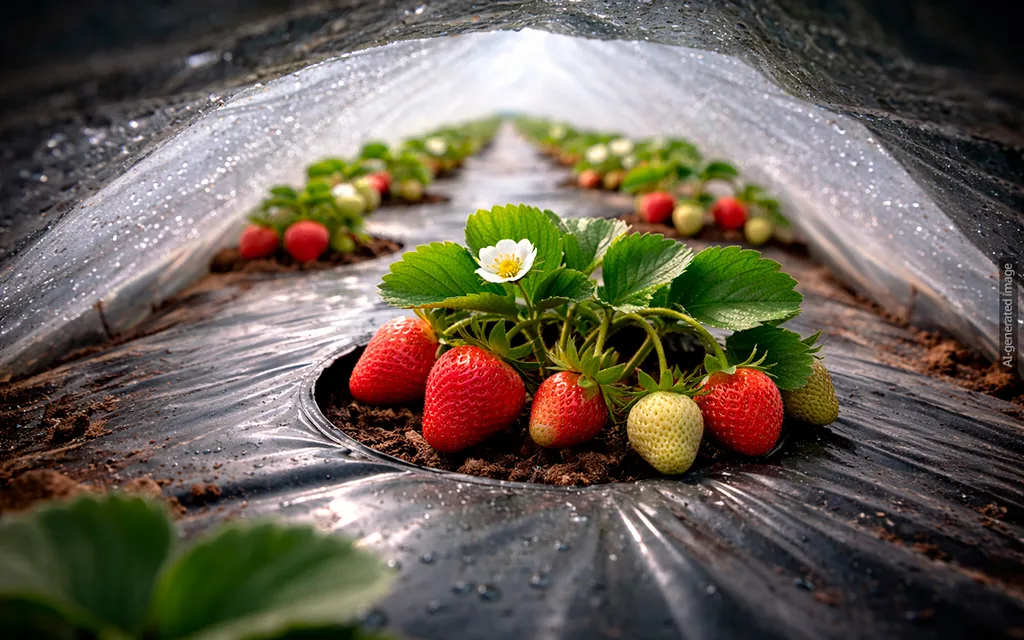
It all begins with the preparation of the substrate, that is, the raw materials that the microorganisms will use as a carbon and energy source. In the case of agricultural waste such as that from berries, the structure must first be broken down to release the sugars it contains.
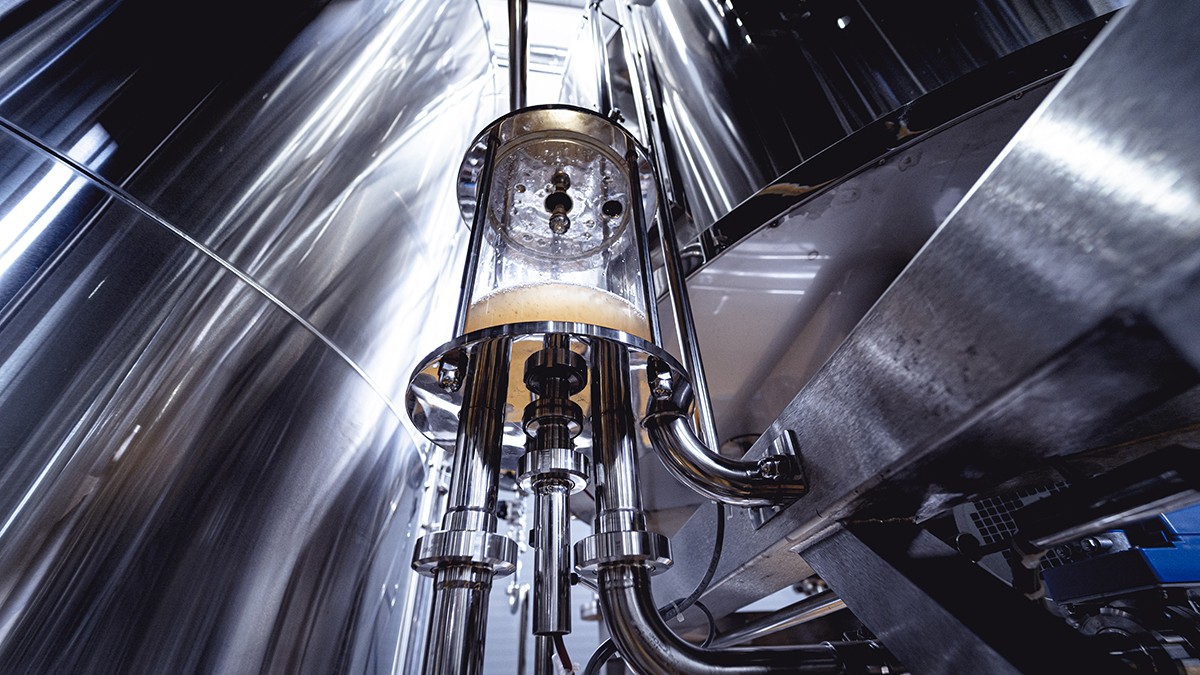
Once the sugars are ready, they are introduced into a bioreactor together with the selected microorganisms. There, under controlled conditions of temperature, pH and oxygen, the bacteria or fungi feed on these sugars and produce the compound we are seeking. This can be a primary metabolite, biomass, an enzyme…
The remaining broth is purified by filtration, centrifugation or other processes until a high-purity product is obtained. In some cases, the compounds obtained through fermentation are not the final product, but rather building blocks that can be used in subsequent chemical reactions to produce materials such as biopolyesters.
Do you know how long this process has been in use?
Although it may seem novel, it has been part of industry for some time. In the 20th century, we learnt to control and industrialise microbial processes that had been used for millennia, for example bread, alcohol, yogurt and cheese obtention. Furthermore, during the Second World War, methods were developed to mass-produce penicillin and acetone through industrial fermentation, and it was also in this century that the first enzymes were added to laundry detergents to remove stubborn stains.
Today, the most significant applications of white biotechnology include the production of enzymes for industries like food and bioplastics production, the generation of energy from biomass (bioethanol and biogas), thereby reducing dependence on fossil fuels; and the production of chemical compounds such as organic acids, alcohols and bioplastics.
At ECOSYSTEM, white biotechnology is used to produce the cellulase enzymes that break down the cellulose present in berry crop waste, and the building blocks needed to manufacture the new biopolyesters. Furthermore, bioactive ingredients with antimicrobial properties are produced by selected bacteria isolated from the agricultural feedstock and will be incorporated into mulch films. All of this is combined with mechanochemistry, transforming crop waste info high value-added materials.