


Biobased raw materials from nature. Biorefinery and sustainable conversion routes.
About
ECOSYSTEM
Solutions inspired by the organisms functioning in an ecosystem
Plastics are often used in single-use products that lead to large amounts of waste which takes hundreds of years to decompose. As a response, bio-based polymers have recently gained traction due to their dual benefits:
1 Less pressure on fossil reserves thanks to the renewable nature of the biomass feedstocks.
2 The considerable reduced environmental impact during production and use.
Biopolymers are expected to reach greater market attention in the next 5-10 years. This demand is anticipated to increase accordingly n the Agrifood sector, in which plastics are heavily used for products such as mulching films and food packaging. Despite the demand is fuelled by EU regulations (EU Green Deal, Circular Economy Plan, EU Bioeconomy Strategy, etc.), plastic-based products represent a big challenge as they require specific unique properties for food preservation and environmental safety, including degradability and reusability.
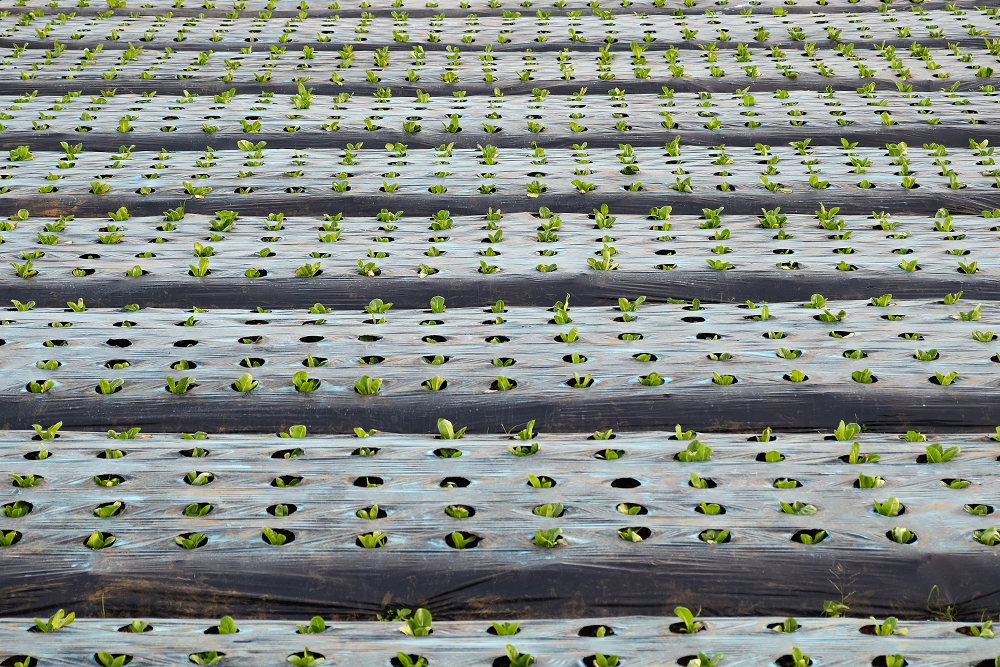
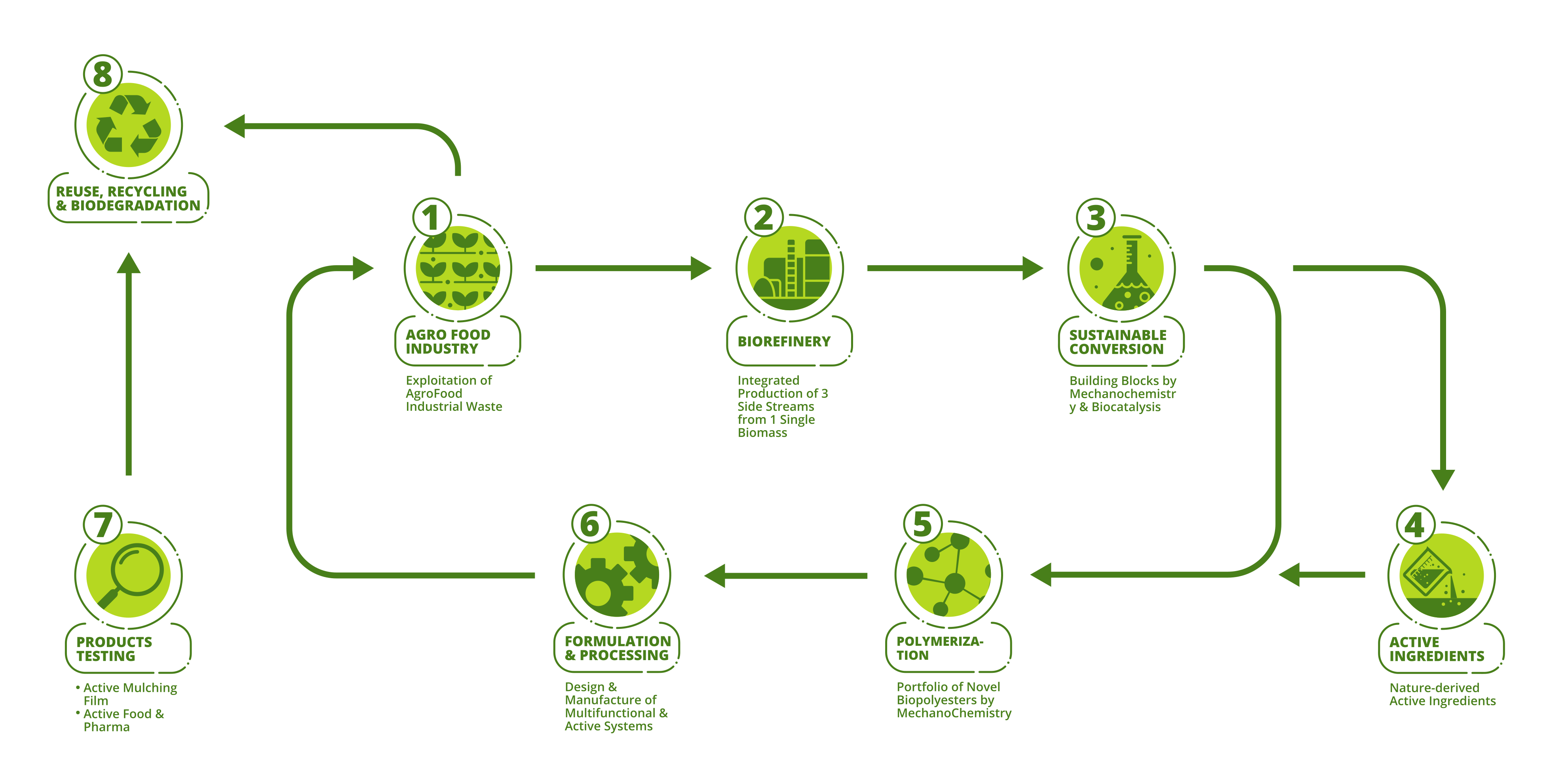
To address this challenge, ECOSYSTEM adheres to a collaborative circular strategy in which raw materials will be generated from berry crop waste. Then, they will be used for the production of multifunctional polyesters and eco-active products, that will be employed in the manufacture of packaging for food and pharmaceuticals as well as mulching materials for agricultural use.
Circular Bio-based Value Chain for
Sustainable Polymers and Active Materials
ECOSYSTEM is an EU funded project under the topic HORIZON-EIC-2024-PATHFINDERCHALLENGES-01-03-Nature inspired alternatives for food packaging and films for agriculture
Project objetives
ECOSYTEM seeks to develop a new generation of biopolyesters using building blocks prepared from sustainable technologies. These building blocks will be obtained from natural resources via a biorefinery approach, ensuring a fully sustainable production process. The project is strategically aligned with the objectives and categories stated in the Challenge Portfolio.
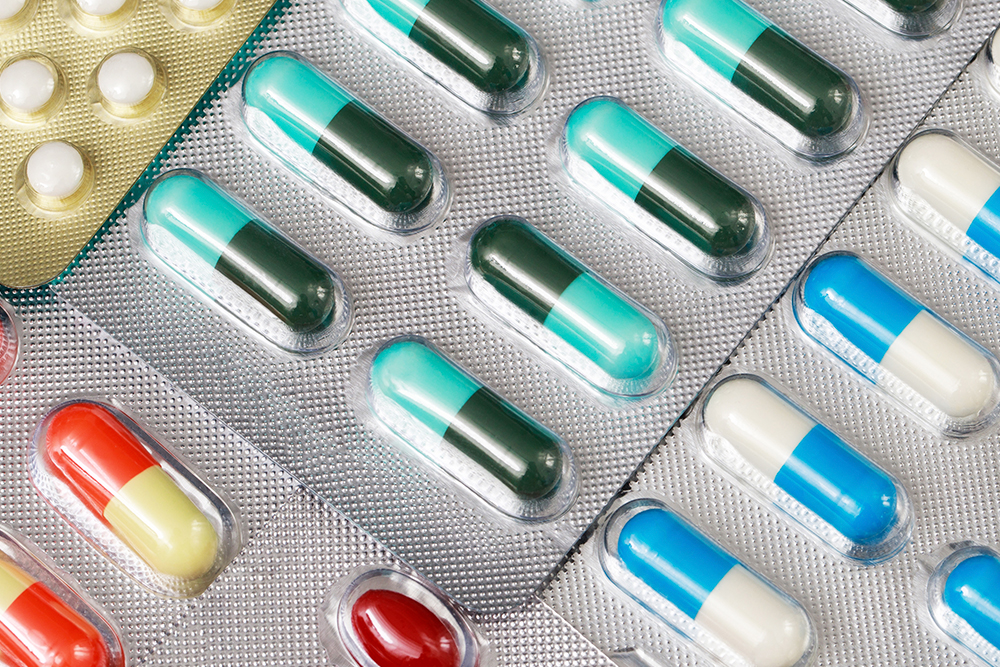
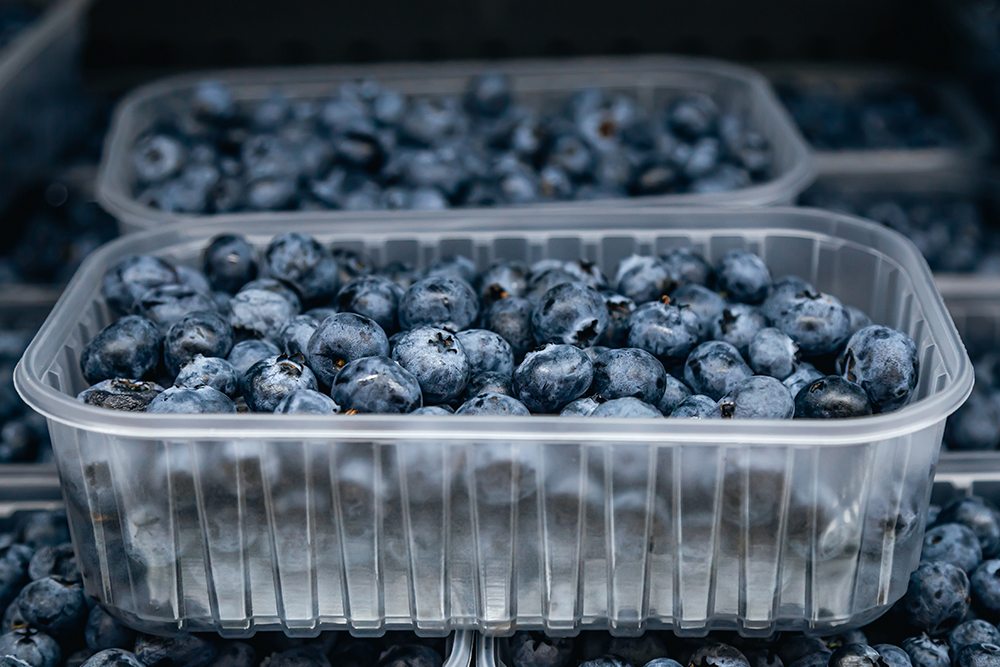
ECOSYSTEM will use polymers extracted from nature like cellulose and lignin; nature inspired polymers including microbials, fungal and plant materials; and synthetic polymers from biobased monomers and raw materials synthesized using mechanochemistry from building blocks. The materials developed in ECOSYSTEM will be used in the manufacture of semirigid (clamshell for perishable fruits) and flexible (pharma blisters) packaging and their barrier properties will be investigated. Finally, multifunctional mulching films will be designed and prepared.
For the cellulose stream a purity of a 85% will be targeted. For the lignin stream, a powder product with <0.5 wt % of ash and <0.5 wt % of sugars will be tackled. Fir the Furfural stream, a yield of 75% from hemicellulose derived xylose will be targeted, with an expected purity of >98%. All streams will be produced from fruits crop waste.
This will be done via Mechanochemistry and biotechnological processess. Firstly, promising strains among anaerobic bacteria, yeasts and filamentous fungi will be selected for the production of cellulases and antimicrobial bioactivity for mulching applications. Secondly, a sustainable obtention of aromatic bifuran and dimetildivanillin-type monomers aiming a >80% yield with >90% purity will be obtained. Thirdly, the obtention of succinic acid and 1,4-butanediol with a purity above 50% will be attempted via one-pot saccharification and fermentation.
New biodegradable biopolyesters con copolyesters will be obtained with a minimum 75% biobased content and >85% yield via mechanochemistry and sustainable processes. They will be obtained from biomass-derived building blocks and with good barrier properties for food packaging applications. Also, bio-based hypercrosslinked polymers with bacterial and ethylene inhibition effect based on cinnamaldehyde will be obtained. Cellulases will be immobilized on porous polymeric supports via mechanochemistry; and delivery systems will be designed for the encapsulation of bacterial biostimulant as well as antimicrobial formulations fir mulching films. Finally, novel environmentally friendly inks for electronic sensorics systems will be produced and integrated in mulching films.
Ensure sufficient thermal stability (around 170°C) of the incorporated active additives in both mulching films and packaging to withstand subsequent transformation processes. Also, improve yield and quality of berry crops by 20-30% and 30-30% respectively via integration of both encapsulated bio stimulants and antimicrobial agent and printing soil-sensors into biodegradable mulching films for berry crops protection. Finally, integrate of clamshell and hydrogel pads to generate multifunctional and active packaging for berries.
Recycling of new biopolyesters via microwave solvolysis: aiming to obtain furan derivatives with yields >95% and high purity (no less than 98%) in a considerable reduced reaction time and consuming considerably less energy as compared to traditional solvolysis. Also, prove the obtention of at least one biopolyester able to biodegrade in seawater; and prove the obtention of at least 2 copper and iron-based catalysts for capable to perform oxidation and reduction reactions with yields greater than 80%.
Ensure that ECOSYSTEM develop processes and materials that are safe by design for human and the environment. Reduce environmental impact to climate change and maximize circularity compared to fossil-based conventional materials.
Beyond the State
of the Art
The ECOSYSTEM will be the first project to combine mechanochemistry and white biotechnology to obtain biobased and biodegradable polymers and other materials with excellent properties. The project will integrate 7 specific innovations spanning from design of the new materials to the end-of-life of associated products.
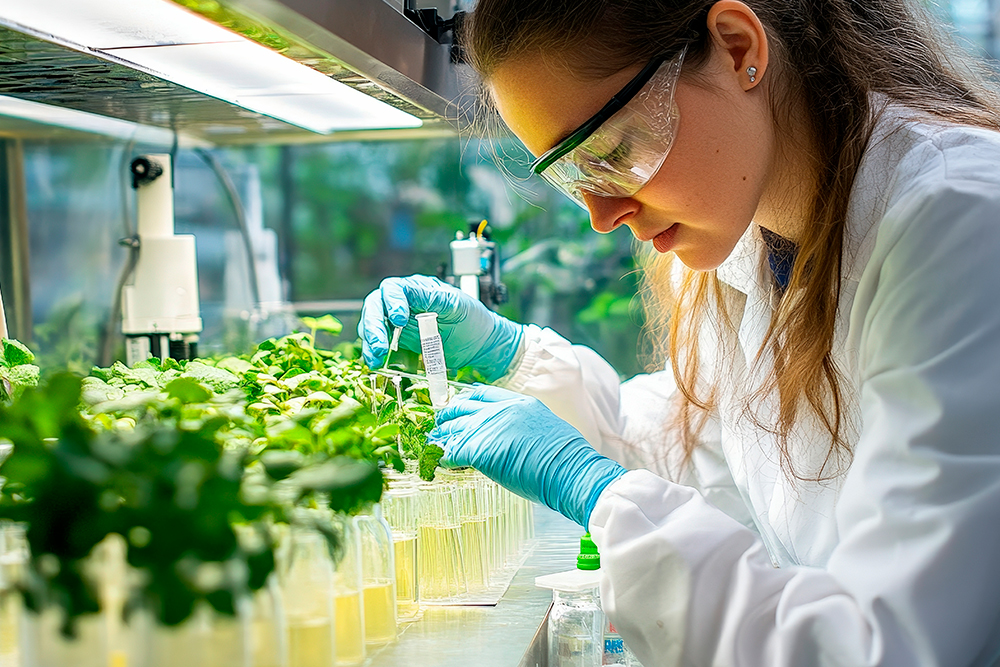

Mechanochemistry as a tool
Mechanochemistry will be used in the process of developing eco-active materials, making the project able to move forward on green chemistry and to achieve cleaner, safer and more efficient transformations via quick solvent-free and heating-free processes. Aromatic blocks derived from furfural, biopolyesters, bacterial and ethylene inhibitors and enzyme supports will be synthesise using mechanochemistry.

White biotechnology as tool
White biotechnology will be used in the development of eco-active materials. Microbial production of cellulolytic enzymes and bacterial biostimulant antimicrobials metabolites will be generated via biotechnological processes. More specifically, cellulases, β-glucosidases, cellohydrolases, endoglucanases and 1,4 BDO are among the target products to be generated via biotechnology.

Eco-active materials
Cinnaldehyde will be obtained to be used as antimicrobial and ethylene inhibitor, preventing spoilage in fruits and vegetables, thus, prolonging freshness and shelf-life. The incorporation of ciannaldehyde will also improve safety in hygiene-sensitive environments such as hospitals and restaurants. ECOSYSTEM will also integrate hypercorsslinked polymers in pharmaceutical blister packs.

Multifunctional food packaging
Novel biodegradable and upgraded bio-based aromatic-aliphatic polyesters will be used as alternative materials for packaging. The incorporation of hypercorsslinked polymers into bacterial cellulose-based pads will be considered as the novelty of multifunctional and active food packaging, aiming to extend berries shelf-life. This innovation will have a direct impact to the public and food industry acceptance of transition towards more sustainable practices.

Multifunctional mulching films
Antimicrobials and bacterial biostimulans will be encapsulated considering a number of delivery mechanisms to generate multifunctional and upgraded mulching films. Bacillus and Pseudomonas will be integrated into films in order to positively enhance the presence of plant growth promoting rhizobacterias. In addition, printed soil-sensors based on environmentally friendly inks will be incorporated in mulching films for a better soil health monitoring.

Reusability of bio-based polyester
Designing for reusability and upcycling is crucial. The bioplastics generated in ECOSYSTEM will be integrated into a hierarchic EoL system that prioritizes material recycling, despite it may not be always feasible. More specifically, biopolyesters will be converted into byfuran-type copper and iron-based catalysts using mechanochemistry. Those catalysts will be later tested in redox model reactions. This approach will promote sustainability and enhances and efficient and environmentally friendly production of heterogeneous catalysts.

Recyclability bio-based polyesters
ECOSYSTEM will explore the chemical recycling and upcycling of bio-based polyesters via solvolysis using microwave technologies in association with heterogeneous catalysts. This will allow an approximate reduction of time and cost in 80% and 50%, respectively. This process will target an obtention of furan derivatives with ovr a 95% efficiency and 98% purity.
Impacts
The research and Innovation activities will develop innovative materials and solutions in line with the objectives of the Green Deal, the Circular Economy and Zero Pollution Action Plan, the EU Chemicals Strategy for Sustainability and Chemicals Transition Pathway, EU Bioeconomy Strategy, Plastics Strategy and Industrial Strategy and Sustainable Products Initiative. ECOSYSTEM will promote resource efficiency, reduction of environmental impact, enhance circularity and will foster transition to a sustainable, pollution-free economy in the agri-food and packaging sectors; and will make a significant impact in a number of stakeholders.
- Advancing knowledge in bio-based polymers and innovations in active materials such as antifungals and biostimulants.
- Reducing soil pollution from traditional plastic use, improving soil health and enhancing crop yield.
- Cost-effective biodegradable mulching films to reduce the need of costly chemicals and waste management.
- Promotion of sustainable farming practices with efficient resources.
- Development of novel bio-based polyesters and active biodegradable multifunctional packaging materials ready for the market and aligned with regulations.
- Contribution to safer food packaging, reduction of microplastic release, harmful additives and risks of chemical migration into food/pharma products.
- Creation of new market entries and competitive advantages.
- Advanced methods for materials biodegradation and support on scientific Knowledge in LCA and EoL.
- Reducing CO2 emissions which helps meeting goals of EU Green Deal and Circular Economy Action Plan goals.
- Informing new standards and regulations on sustainable plastics, providing evidence-based data for policy making on plastic reduction and sustainability.
- Support the development of safe-by-design materials and circular solutions.
- Promotion of policy decisions that prioritize sustainability and environmental health.
- Support long-term ecological balance by introducing sustainable materials into policy.
- Reducing costs for waste management and environmental recovery from plastic pollution.
- Encouraging industry shifts towards resource-efficient production reducing fossil fuels dependency.
- New knowledge in bio-based materials, mechanochemistry and biotechnological processes.
- Advance in understanding materials lifecycle impacts and biodegradation.
- Encourage cross-disciplinary collaborations and promote research efforts in circularity.
- Develop new technologies for bio-based materials to be commercialized in multiple sectors.
- Enhance research infrastructure for bio-based innovations in materials science and engineering.
- Promote scientific literacy on bio-based solutions and sustainable consumption.
- Support new research in eco-active materials that actively reduce food waste.
- Reduce plastic pollution improving environmental health and public well-being.
- Raise consumer awareness about the importance of using biodegradable materials.
- Promote sustainable consumer choices for packaging and agricultural products.
- Offer cos-efficient and eco-friendly products that reduce reliance on fossil-based plastics.
Numbers

48
Months

3,9
Millions €

5
Countries

9
Partners